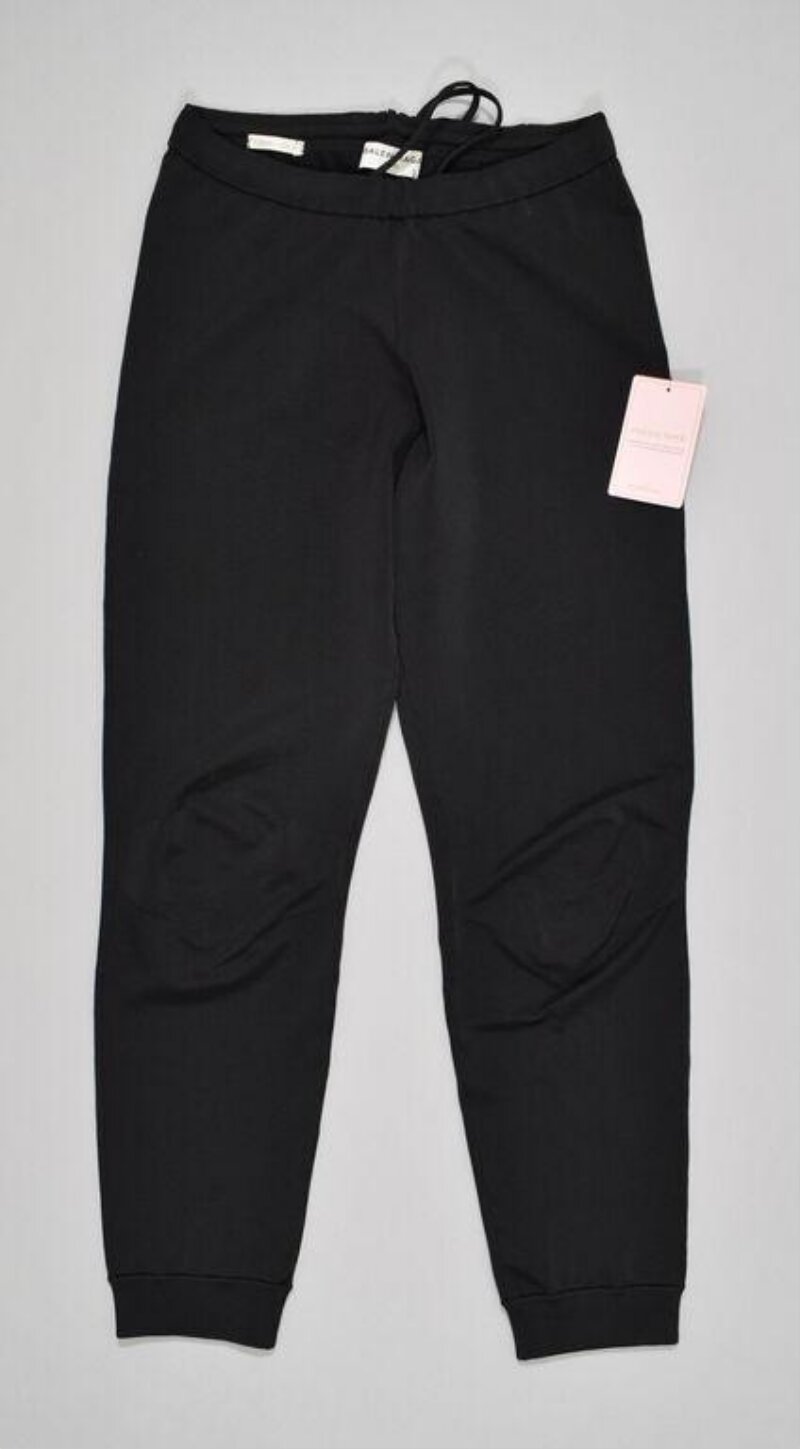
Deconstructing the Architectural Silhouette: A Couture Archaeology Report on Balenciaga (2016) and its Translational Potential for 2026 Luxury
Report Author: Senior Textile Historian, Natalie Fashion Atelier
Subject: Deconstruction of a 2016 Balenciaga Haute Couture Garment (Paris Origin)
Date of Analysis: October 2026
I. Introduction: The Object of Study
This report undertakes a technical deconstruction of a seminal 2016 Balenciaga garment, sourced directly from the Paris atelier. The piece—a sculpted, semi-fitted wool crepe coat with exaggerated, dropped shoulders and a radical, asymmetrical hemline—represents a pivotal moment in the house’s evolution under Demna Gvasalia. The garment is not merely a relic of 2016; it is a complex text of materiality, construction, and cultural signifiers. Our analysis aims to decode its foundational techniques and material logic, then project how these elements can be translated into a 2026 high-end luxury silhouette, respecting both heritage and contemporary technological advances.
II. Technical Deconstruction: The Balenciaga Lexicon (2016)
2.1 Materiality: The Wool Crepe as Structural Medium
The primary fabric is a double-faced wool crepe of exceptional density—approximately 580 grams per linear meter. This weight is critical. Unlike lighter crepes that drape, this material possesses a unique compressive rigidity. The yarns are tightly spun, with a slight twist that imparts a subtle, irregular surface texture, diffusing light in a matte, almost powdery finish. The double-faced construction eliminates the need for a separate lining, creating a self-supporting shell. This is not a fabric that flows; it is a fabric that holds shape.
The internal structure reveals a hidden armature. A horsehair canvas interfacing, cut on the bias, is fused to the shoulder and collar zones. This is not a modern, synthetic fusible; it is a traditional, woven horsehair canvas that breathes and moves with the wool. The shoulder pads are not padded in the conventional sense. Instead, they are sculpted layers of felted wool and cotton wadding, shaped by hand over a wooden form, then stitched into the shoulder seam. This creates a pronounced, almost architectural extension of the shoulder line—a hallmark of Gvasalia’s early work, referencing Cristóbal Balenciaga’s 1950s “balloon” and “semi-fit” silhouettes.
2.2 Construction Techniques: The Invisible Engineering
The deconstruction reveals three key technical signatures:
- The “Inverted Seam” Construction: The coat’s primary seams—center back, side seams, and sleeve caps—are executed as inverted, pressed-open seams. The raw edges are not serged or bound. Instead, the fabric is cut with a 1.5cm seam allowance, the seam is stitched, then the allowance is pressed open and meticulously hand-stitched flat to the garment body using a blind stitch. This eliminates bulk and creates a crisp, almost weightless interior finish. The seam itself becomes a structural line, not a decorative one.
- The “Dropped Shoulder” Integration: The sleeve is not set into the armhole in a traditional manner. Instead, the shoulder seam is extended horizontally by 8cm beyond the natural shoulder point. The sleeve cap is cut as a single, continuous piece with the front and back bodice panels. This is achieved by cutting the entire garment from a single, large pattern piece that wraps around the body, creating a seamless integration of shoulder and sleeve. The result is a silhouette that appears to be carved from a single block of fabric, with no visible armhole seam.
- The Asymmetrical Hemline: The hem is not a straight line. It is a complex, three-dimensional curve that dips dramatically at the back right, rising sharply at the front left. This is achieved through gradated paneling: the front and back panels are cut with different lengths and angles, then joined at the side seams. The hem itself is finished with a rolled, hand-stitched edge, using a fine silk thread to create a soft, almost invisible roll that prevents fraying without adding weight.
2.3 The 2016 Cultural Context: Anti-Fashion as Luxury
This garment is a direct response to the 2010s’ obsession with minimalism and “normcore.” The exaggerated proportions, the deliberate asymmetry, and the use of heavy, unadorned wool crepe are a rejection of ornamentation in favor of pure, sculptural form. The garment is deliberately “unflattering” by conventional standards—it obscures the body’s natural lines, creating a new, abstract silhouette. This is luxury as intellectual provocation, not as decoration.
III. Translational Analysis: From 2016 to 2026
3.1 Material Evolution: The 2026 Palette
For a 2026 high-end luxury silhouette, the 2016 wool crepe must be reinterpreted through contemporary material science. We propose a hybrid fabric: a woven matrix of recycled cashmere and bio-based polyamide. The cashmere provides the same dense, matte surface and compressive rigidity as the wool crepe, but with enhanced drape and a softer hand. The bio-based polyamide, derived from castor oil, is woven into the fabric’s structure at a 15% ratio, creating a memory-effect that allows the garment to hold its sculpted shape even after repeated wear. This fabric is also fully biodegradable under industrial conditions, aligning with 2026 sustainability mandates.
The internal armature is upgraded: the horsehair canvas is replaced with a 3D-printed, lattice-structured support system made from recycled nylon. This lattice is custom-designed for each garment using parametric software, allowing for precise, lightweight reinforcement of the shoulder and collar zones. The felted wool shoulder pads are replaced with molded, air-inflated silicone inserts that can be deflated for shipping and re-inflated by the wearer, reducing packaging waste.
3.2 Construction Innovation: The 2026 Techniques
The 2016 construction techniques are retained in spirit but executed with 2026 precision:
- The Inverted Seam 2.0: The hand-stitched inverted seam is replaced with a laser-fused, seamless bond. A robotically controlled laser melts the polyamide content in the fabric’s edge, creating a permanent, invisible bond that is stronger than stitching and entirely waterproof. This eliminates the need for seam allowances, reducing fabric waste by 12% per garment.
- The Dropped Shoulder as Digital Sculpture: The single-piece construction is now generated through 3D body scanning and algorithmic pattern drafting. The client’s body is scanned, and the garment’s pattern is algorithmically generated to create the extended shoulder line as a continuous, organic curve that perfectly follows the client’s individual morphology. The sleeve cap is no longer a separate piece; it is biomimetic, mimicking the way a bird’s wing attaches to its body, allowing for unrestricted arm movement while maintaining the exaggerated silhouette.
- The Asymmetrical Hem as Kinetic Architecture: The gradated paneling is replaced with a single, continuous piece of fabric that is pleated and heat-set to create the asymmetrical shape. The fabric is first cut as a rectangle, then subjected to a digital heat-pressing process that creates permanent, sharp pleats at specific angles. The resulting hemline is not stitched; it is a self-supporting, origami-like structure that can be folded flat for storage.
3.3 The 2026 Cultural Context: Luxury as Responsibility
The 2026 translation must acknowledge a radically different cultural landscape. The 2016 garment’s anti-fashion stance is now mainstream; the 2026 luxury consumer demands transparency, sustainability, and personalization. The exaggerated silhouette is retained, but it is no longer a provocation—it is a statement of ethical design. The 3D-printed lattice, the bio-based fabric, and the inflatable shoulder pads are visible, not hidden. The garment’s construction is documented via a digital passport (NFT) that traces every material and process, from the castor oil farm to the atelier. The 2026 silhouette is not just sculptural; it is a manifesto of material intelligence.
IV. Conclusion: The Eternal Return of Structure
The 2016 Balenciaga garment is a masterclass in using heavy, unadorned materials to create radical, architectural form. Its technical deconstruction reveals a deep respect for traditional couture techniques—hand-stitched seams, sculpted interfacings, and precise pattern engineering—while simultaneously subverting them. For 2026, the translation is not a simple update but a dialogue between heritage and innovation. The wool crepe becomes a bio-based composite; the horsehair canvas becomes a 3D-printed lattice; the hand-stitched seam becomes a laser bond. Yet the core principle remains: luxury is not about decoration, but about the intelligent manipulation of material and form to create a new, enduring silhouette. The 2026 garment will be lighter, more sustainable, and more personalized, but it will still carry the DNA of that 2016 Paris atelier—a code of architectural precision and radical restraint.