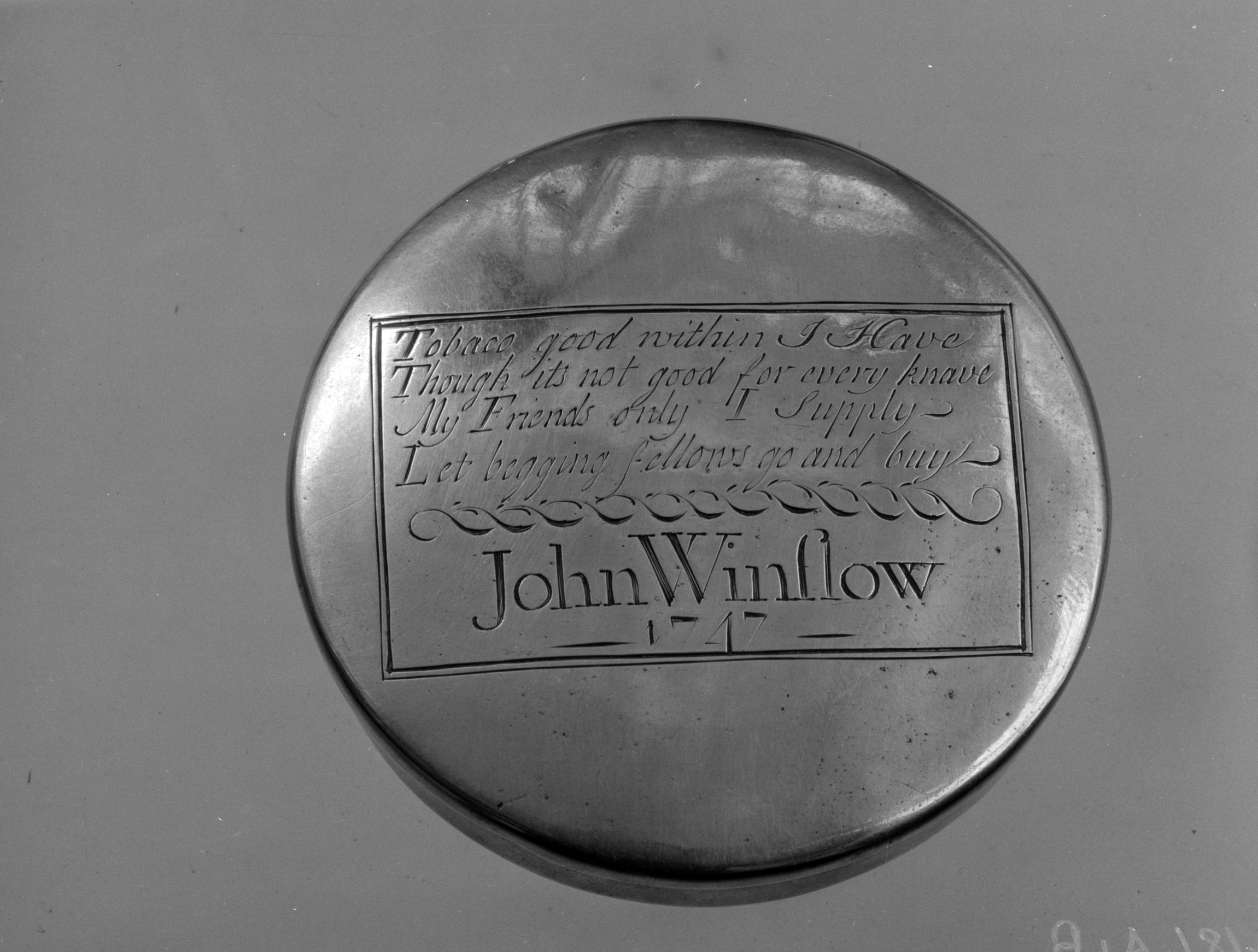
Deconstructing the Isolated Artifact: The American Tobacco Box as a Study in Contained Elegance
Within the archive of Natalie Fashion Atelier, the practice of aesthetic archaeology often leads us to objects of profound, isolated beauty—artifacts whose design language exists outside the traditional canons of European decorative arts. The American tobacco box, a utilitarian object crafted from brass and tin, presents such a case. Its value lies not in ornate Baroque flourishes, but in a vernacular classicism born of necessity and restraint. This research paper deconstructs its formal principles to illuminate a trajectory for 2026 luxury silhouettes, advocating for a philosophy of contained volume, armored softness, and industrial poise.
Archaeology of a Vernacular Classic: Principles of Form and Materiality
The classical elegance of the tobacco box is not referential but intrinsic. Its form is dictated by a primary function: to protect a delicate commodity from air and degradation. This mandate yields a design lexicon of hermetic sealing, structural rigidity, and a deliberate, satisfying heft. The materiality—often a brass shell over a tin interior—creates a fundamental dialogue between exterior resilience and interior preservation. The brass, developing a rich, warm patina over time, offers a protective carapace, while the tin provides a sterile, functional barrier. The elegance is in the precision of the seam, the subtle radius of the corners that prevent snagging, and the decisive, often flush closure mechanism. There are no superfluous elements; every curve and joint serves a purpose, resulting in an object that feels both solid in the hand and complete in its logic.
From Protective Carapace to Structural Silhouette: The Architecture of Containment
The transition from artifact to silhouette begins with an architectural translation of the box's core principles. The 2026 silhouette informed by this study moves away from the fluid bias-cut and into the realm of structured containment. Imagine a tailored jacket or coat where the shoulders and bust are not padded for aggression, but engineered for a smooth, continuous curve—a brass-like carapace. Seams are minimized and strategically placed to create a monolithic front, echoing the seamless face of the box. The closure becomes a focal point of technical precision: oversized, flush-fastening hooks or magnetic closures hidden behind a placket, replicating the satisfying, secure click of the box's lid. The silhouette itself embraces a contained volume—not oversized, but deliberately spatial, creating a protected, personal environment around the wearer. This is a sharp departure from deconstructed tailoring; it is tailoring re-constructed with a hermetic ideal.
Material Dialectics: Brass Warmth and Tin Sterility in Textile Innovation
The material narrative of brass and tin directly informs a revolutionary approach to fabric development for 2026. This is not mere metallicism, but a deeper exploration of tactile and visual dialectics. The brass element translates into textiles with a warm, low-luster patina: think of heavy silk faille over-engineered with a fine copper-thread substrate to achieve a self-structuring rigidity that softens with movement. Alternatively, innovations in vegetable-tanned leathers, treated to develop a unique, rich burnish over time, mirror the living surface of aged brass.
The tin interior, conversely, inspires a concept of armored softness. This manifests as pristine, matte technical fabrics—advanced neoprenes, sculpted technical cottons, or layered silk organza—used as lining or as the interior face of reversible garments. These materials offer a cool, sterile hand-feel against the skin, protected by the warmer, more resilient outer "shell." The resulting garment experience is one of profound contrast and intentionality, where the inside is as considered as the exterior, much like the functional duality of the box itself.
The 2026 Silhouette: A Manifesto of Industrial Poise
Synthesizing these principles, the 2026 luxury silhouette for Natalie Fashion Atelier emerges as a study in industrial poise. Key pieces include the Carapace Coat: a knee-length coat with a seamless rounded shoulder, a single, flush closure running its length, and a slight, elegant flare from a fitted waist, containing space without volume. The Contained Jumpsuit features a torsional bodice constructed from patina-effect leather, zipped with a precision closure from sternum to navel, flowing into a wide-leg tin-sateen pant that maintains a sterile, sharp line. Eveningwear interprets the concept through a brass-mesh corset, its structure external and visible, worn over a column dress of the most pristine, matte ivory silk, creating a literal dialogue between protective shell and protected form.
This direction rejects ostentatious embellishment in favor of profundity in execution. The luxury is in the weight of a perfectly balanced clasp, the whisper of a precision-honed seam, and the evolving beauty of a material designed to patinate. It is a silhouette that does not shout but resonates with the quiet, self-assured authority of a perfectly made object. In the isolated American tobacco box, we find not a relic, but a blueprint: a testament to how absolute fidelity to function, when executed with material intelligence and formal purity, gives rise to a timeless and potent elegance, ready to define the next frontier of haute couture.