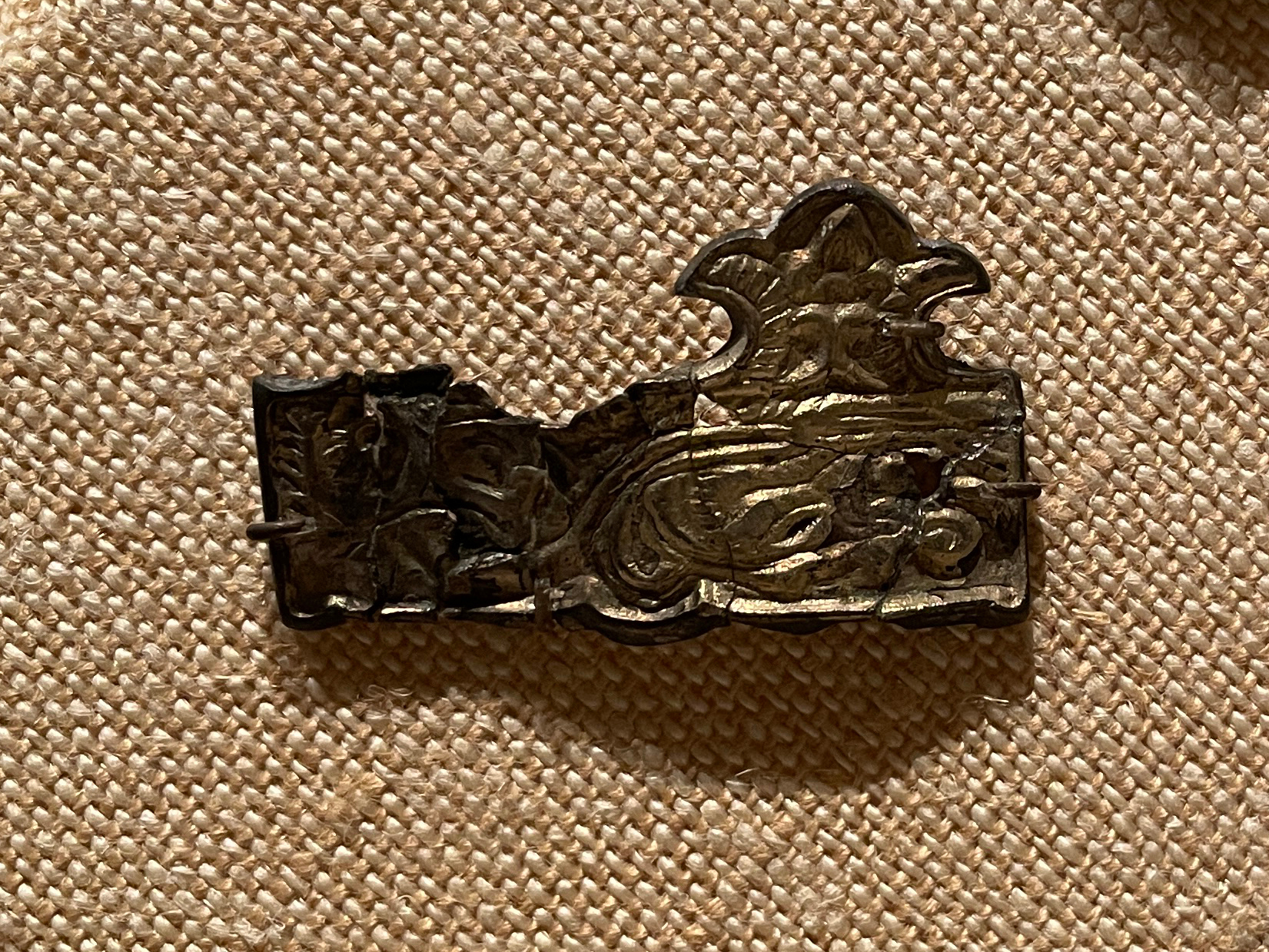
The Archaeology of Adornment: Silver Belt Fittings and the 2026 Silhouette
The belt, in its most elemental form, is a tool of constraint and division. Yet, within the lexicon of Haute Couture, it transcends mere function to become a sculptural statement, a line of demarcation that dictates the very rhythm of a garment. At Natalie Fashion Atelier, our ongoing practice of aesthetic archaeology—the excavation of form and technique from global heritage—has unearthed a particularly potent artifact: the silver belt fitting, cast and gilded. This object, isolated from its original context, is not a relic of the past but a blueprint for the future. This research artifact deconstructs the classical elegance of the cast, gilded silver fitting and explicates its direct influence on the high-end silhouettes of 2026, where materiality dictates proportion and historical weight informs modern grace.
Deconstructing Classical Elegance: The Silver Cast and Gilded Fitting
Classical elegance, in this context, is not a synonym for simplicity. It is the product of extreme technical precision and a profound understanding of material hierarchy. The silver belt fitting, whether from the Qing dynasty court, the Ottoman imperial treasury, or the European Renaissance, operates on a principle of controlled opulence.
The cast nature of the silver provides a foundational weight and density. Unlike stamped or fabricated metal, a cast fitting possesses a volumetric presence—a palpable thickness that feels substantial in the hand and on the body. The gilding, a layer of gold applied via fire or electrochemical process, introduces a chromatic and symbolic tension. It is not a full covering; rather, it is a selective highlight. The gold catches the light, drawing the eye to the negative spaces, the intricate relief, and the precise edges of the casting. This interplay between the cool, solid silver and the warm, luminous gold creates a visual and tactile dialogue of value and restraint. The elegance lies in the fact that the fitting does not shout; it resonates.
From an archaeological perspective, these fittings were often components of larger systems—a belt of leather, silk, or woven metal. They were the structural nodes that held the ensemble together. The buckle, the plaque, the strap end—each was a discrete piece of engineering. The classical elegance is therefore derived from functional clarity. The form follows the force. The curve of a buckle was dictated by the thickness of the strap; the weight of a plaque was balanced against the drape of the fabric. This principle of material honesty is the cornerstone of our 2026 research.
Materiality as Silhouette: The 2026 Translation
The translation of this heritage artifact into a 2026 high-end silhouette is not a literal reproduction. It is a metabolic process—the absorption of the fitting’s core principles into the very structure of the garment. The cast, gilded silver fitting informs the silhouette through three primary vectors: weight, division, and highlight.
1. Weight and the Architectural Waist: The most immediate impact is on the waistline. In 2026, we are moving away from the soft, elasticated waistband. Instead, we are reintroducing the structural waist. A cast silver buckle, with its inherent mass, demands a corresponding structural support in the garment. This leads to silhouettes with reinforced waistbands—corseted interiors, stiffened silks, or layered leathers that can bear the weight of the fitting. The silhouette becomes architectural. A column dress, for example, is no longer a simple tube. It is divided by a heavy, gilded silver plaque that creates a distinct upper and lower mass. The waist becomes a fulcrum, a point of torque where the fabric is pulled taut and then released. This creates a silhouette of dramatic tension, reminiscent of the Empire line but with the density of a medieval armature.
2. Division and the Asymmetric Cascade: The isolated archaeological study of these fittings reveals a frequent asymmetry. A single, large plaque placed on one hip, or a buckle offset from the center. This is not a mistake; it is a deliberate choreography of the gaze. In 2026, this translates into the asymmetric cascade silhouette. A single, heavy, gilded silver fitting is positioned at the left or right hip, acting as an anchor. From this anchor, the fabric is draped, pleated, or cut on the bias, creating a fluid, diagonal line that falls across the body. The fitting becomes the point of departure for the entire volume of the garment. The opposite side of the body is left clean, often with a high slit or a cutaway, creating a powerful visual counterpoint. The silhouette is not symmetrical; it is balanced by weight. The visual heaviness of the silver is offset by the lightness of the exposed skin or the transparency of a chiffon panel.
3. Highlight and the Sculpted Shoulder: The gilding technique—the selective application of gold—teaches us about controlled luminosity. In 2026, this informs the sculpted shoulder silhouette. Instead of a traditional shoulder pad, we are using cast silver fittings as epaulets or shoulder clasps. These are not merely decorative; they are structural. A gilded silver piece, cast to echo the form of an ancient fibula or a nomadic belt plaque, is used to gather the fabric of a sleeve or a capelet. The gilding catches the light, creating a halo of prestige around the wearer’s face and shoulders. The silhouette is sharp, defined, and almost armorial. The shoulder becomes a pedestal for the artifact. The rest of the garment—a fluid crepe or a matte jersey—is deliberately subdued, allowing the metal to command the visual field. The silhouette is a study in contrast of finish: the polished, gilded metal against the soft, matte textile.
Technical Synthesis: The 2026 Silhouette Lexicon
To translate these principles into a coherent collection, we have developed a technical lexicon for the 2026 silhouette. The cast, gilded silver fitting is not an accessory; it is a generative element.
The Torque Silhouette: A dress or coat where the waist is cinched by a single, heavy cast buckle. The fabric is then twisted, or torqued, around this point, creating a spiral of volume. The gilding on the buckle is the only highlight, drawing the eye to the axis of the garment. The silhouette is dynamic, almost kinetic, as if the body is in motion even at rest.
The Anchor Silhouette: A single, large, gilded plaque is used as a counterweight at the hip or the low back. From this anchor, a train or a panel of fabric falls to the floor. The front of the garment is clean, fitted, and minimal. The silhouette is a study in asymmetrical drama, where the weight of the metal dictates the flow of the textile. The plaque is the fulcrum of the entire composition.
The Armature Silhouette: Multiple, smaller cast silver fittings are used as structural joints. They connect panels of fabric, creating a segmented, almost exoskeletal form. The gilding is used sparingly, only on the fittings that bear the most stress. The silhouette is rigid and architectural, reminiscent of a cuirass but executed in silk and metal. The body is framed, not draped.
Conclusion: The Weight of History, The Light of Tomorrow
The isolated study of a cast, gilded silver belt fitting reveals a profound truth about luxury: value is expressed through resistance. The resistance of the metal to the hand, the resistance of the structure to the body, the resistance of the gilding to the eye. For 2026, Natalie Fashion Atelier is not merely referencing the past; we are reactivating its material logic. The silver fitting is not a decoration; it is a generator of form. The 2026 silhouette is not a shape; it is a consequence of weight, division, and highlight. It is a silhouette that carries the memory of the forge, the precision of the caster, and the brilliance of the gilder. It is a silhouette of earned elegance, where every line is a decision, and every highlight is a history.