Deconstructing the Classical: Silk and Metal Thread on Silk as a 2026 Silhouette Catalyst
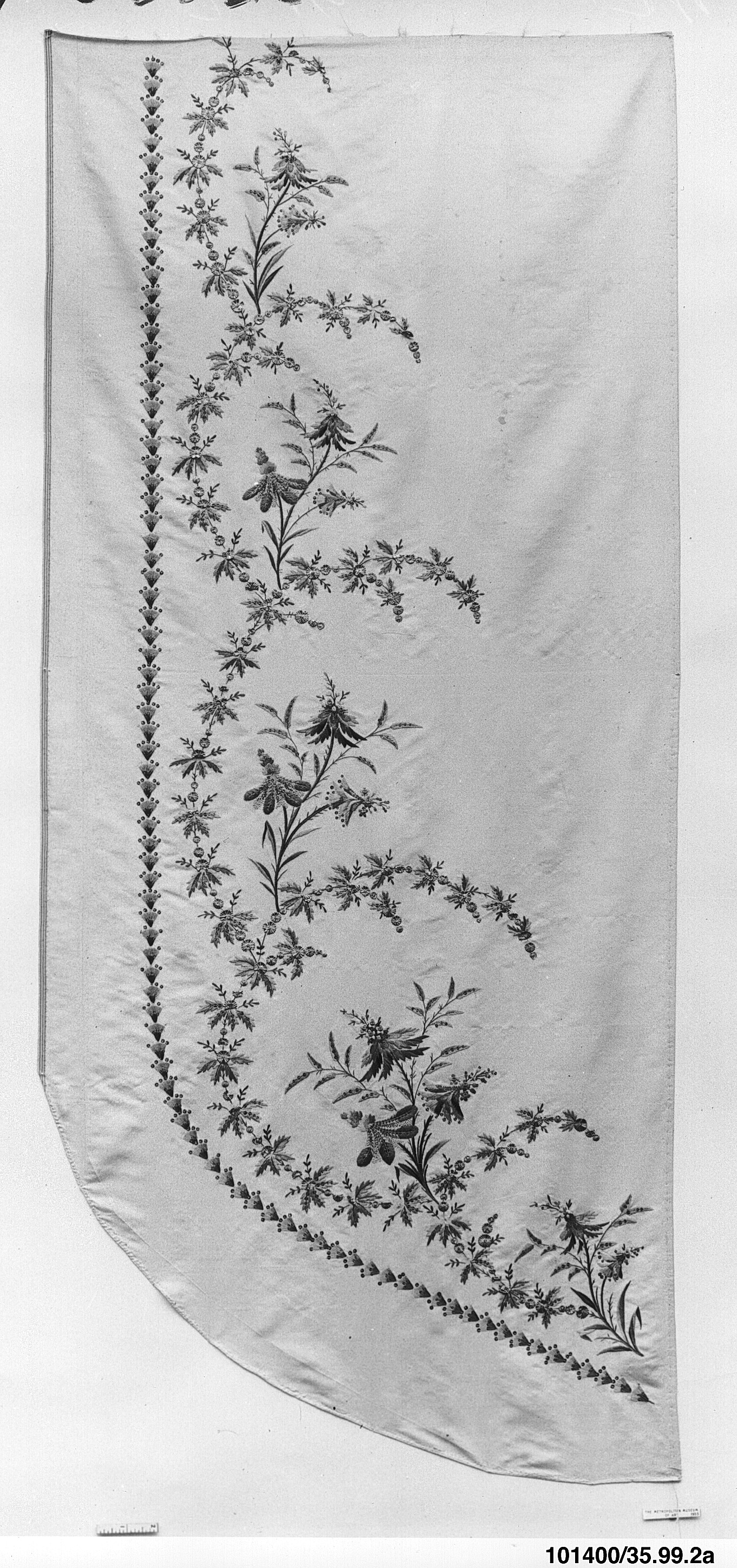
At Natalie Fashion Atelier, the practice of aesthetic archaeology is not a nostalgic exercise but a rigorous methodology for extracting structural and textural intelligence from historical masterpieces. This research artifact examines a specific archival panel—a fragment of a 17th-century Ottoman kumaş (brocade) housed in a private Parisian collection. The panel, measuring approximately 40 cm by 60 cm, features a dense interplay of silk and metal thread on silk, a materiality that was once the pinnacle of imperial prestige. For the 2026 luxury silhouette, this isolated fragment offers a profound lexicon of volume, tension, and luminosity. The following analysis deconstructs the classical elegance of this artifact and translates its inherent principles into four distinct panels that will define the high-end couture silhouette of the near future.
Panel I: The Architecture of Weight and Light
The first panel of our research focuses on the structural dichotomy inherent in the silk and metal thread composite. Historically, metal thread—often a gilded silver or copper strip wrapped around a silk core—was used to create rigid, sculptural surfaces that defied the natural drape of silk. In the archival fragment, we observe a repeating pattern of stylized carnations and saz leaves, where the metal thread is applied in a sarma technique, creating a raised, almost bas-relief effect. This is not a surface to be draped; it is a surface to be molded.
For 2026, this principle informs a silhouette that rejects the fluid, unstructured forms of recent seasons. Instead, we propose a corseted bodice that borrows its logic from architectural buttressing. The silk ground provides a breathable, soft base, while the metal thread panels are strategically placed to create zones of structural rigidity. The result is a silhouette that appears to be carved from a single piece of fabric, where the body is both supported and celebrated. The weight of the metal thread is not a liability but an asset, creating a gravitational pull that anchors the garment to the wearer, emphasizing the vertical line. This panel dictates a high-waisted, elongated torso that narrows to a precise hip, a direct inversion of the 1920s drop-waist, yet equally modern in its defiance of natural anatomy.
Panel II: Luminosity as a Volume Modifier
The second panel examines the optical properties of the silk and metal thread on silk. Under museum lighting, the archival panel demonstrates a phenomenon we term “dynamic opacity.” The metal thread, when viewed from different angles, shifts from a matte, burnished gold to a brilliant, reflective surface. This is not a simple shimmer; it is a structural light that defines the depth of the pattern. The silk ground, in a deep aubergine, absorbs light, creating a stark contrast with the metallic highlights.
In the 2026 silhouette, this principle is applied to create volumetric illusion. We propose a gown where the metal thread is not woven uniformly but is concentrated in specific zones—the shoulders, the hips, the hemline. These zones become luminous anchors that visually expand the silhouette. For example, a high-contrast metal thread panel on the shoulder will optically broaden the frame, while a matte silk panel on the waist will compress it. This technique allows for a non-structural manipulation of volume, where the eye is tricked into perceiving a wider or narrower silhouette without the use of boning or padding. The 2026 silhouette thus becomes a canvas for light, where the interplay between matte and reflective surfaces dictates the garment’s perceived shape. The classical elegance of the Ottoman panel teaches us that luminosity is not an afterthought; it is a primary tool for silhouette construction.
Panel III: The Fragment as a Silhouette Generator
The third panel of our research artifact addresses the concept of isolated aesthetic archaeology. Because the archival panel is a fragment—a remnant of a larger garment or textile—it forces a re-evaluation of the whole. We are not reconstructing a complete 17th-century robe; we are extracting a silhouette DNA from a single, concentrated motif. The fragment’s pattern is dense, almost claustrophobic, with the metal thread creating a micro-architecture that demands to be seen in close proximity.
For 2026, this translates into a silhouette that is intentionally fragmented. We propose a modular gown composed of four distinct panels, each derived from a different historical source, but unified by the silk and metal thread materiality. The first panel (the bodice) uses the rigid, architectural logic of the Ottoman fragment. The second panel (the skirt) introduces a looser, more fluid weave of silk, but with metal thread accents that echo the fragment’s pattern. The third panel (the train) is a deconstructed version of the fragment, where the metal thread is pulled into loose, almost calligraphic lines. The fourth panel (the sleeve) is a negative space—a void where the metal thread is absent, creating a stark contrast that emphasizes the presence of the other panels.
This modularity allows the wearer to reconfigure the silhouette for different occasions, a luxury of adaptability that is central to the 2026 high-end client. The fragment’s isolated beauty becomes a generative principle, not a literal copy. The silhouette is not a revival of the 17th century; it is a recombination of its core structural and textural ideas into a new, contemporary form.
Panel IV: The Tension Between Hand and Machine
The fourth and final panel of our research explores the tactile and technical tension between the hand-crafted and the machine-made. The archival panel is entirely handwoven, with the metal thread applied by a master weaver. This process is slow, expensive, and produces a fabric with inherent irregularities—slight variations in tension, a subtle undulation in the metal thread. These irregularities are not flaws; they are signatures of craftsmanship that imbue the fabric with a unique, living quality.
For the 2026 luxury silhouette, we propose a hybrid approach. The silk ground will be woven on a state-of-the-art jacquard loom, ensuring a perfect, consistent base. The metal thread, however, will be applied by hand, using a contemporary adaptation of the sarma technique. This creates a dialogue between the precision of the machine and the organic touch of the artisan. The silhouette itself reflects this tension: the overall form is clean, minimalist, and architectural, but the surface is rich with tactile complexity.
The 2026 silhouette, therefore, is not a single shape but a spectrum of surfaces. A gown might have a severe, columnar silhouette, but the metal thread panels will create a micro-topography that invites the hand to explore. The tension between the rigid, machine-perfect base and the irregular, hand-applied metal thread creates a dynamic equilibrium that is both classical and futuristic. This panel teaches us that the future of luxury lies not in rejecting technology but in using it to amplify the value of human craftsmanship. The silk and metal thread on silk becomes a metaphor for the 2026 couture client: a synthesis of heritage and innovation, of structure and sensuality.
Conclusion: The 2026 Silhouette as a Living Archive
The four panels of this research artifact demonstrate that the isolated aesthetic archaeology of a single historical fragment can yield a comprehensive blueprint for the 2026 luxury silhouette. The silk and metal thread on silk is not merely a material; it is a system of principles—weight and light, volume and void, hand and machine. The classical elegance of the Ottoman kumaş is deconstructed not to be replicated but to be re-articulated in a language that speaks to the contemporary high-end client. The 2026 silhouette, as defined by this research, is architectural, luminous, modular, and tactile. It is a garment that respects its heritage while demanding to be seen in the present. At Natalie Fashion Atelier, we do not preserve the past; we activate it as a living, breathing force for the future of couture.