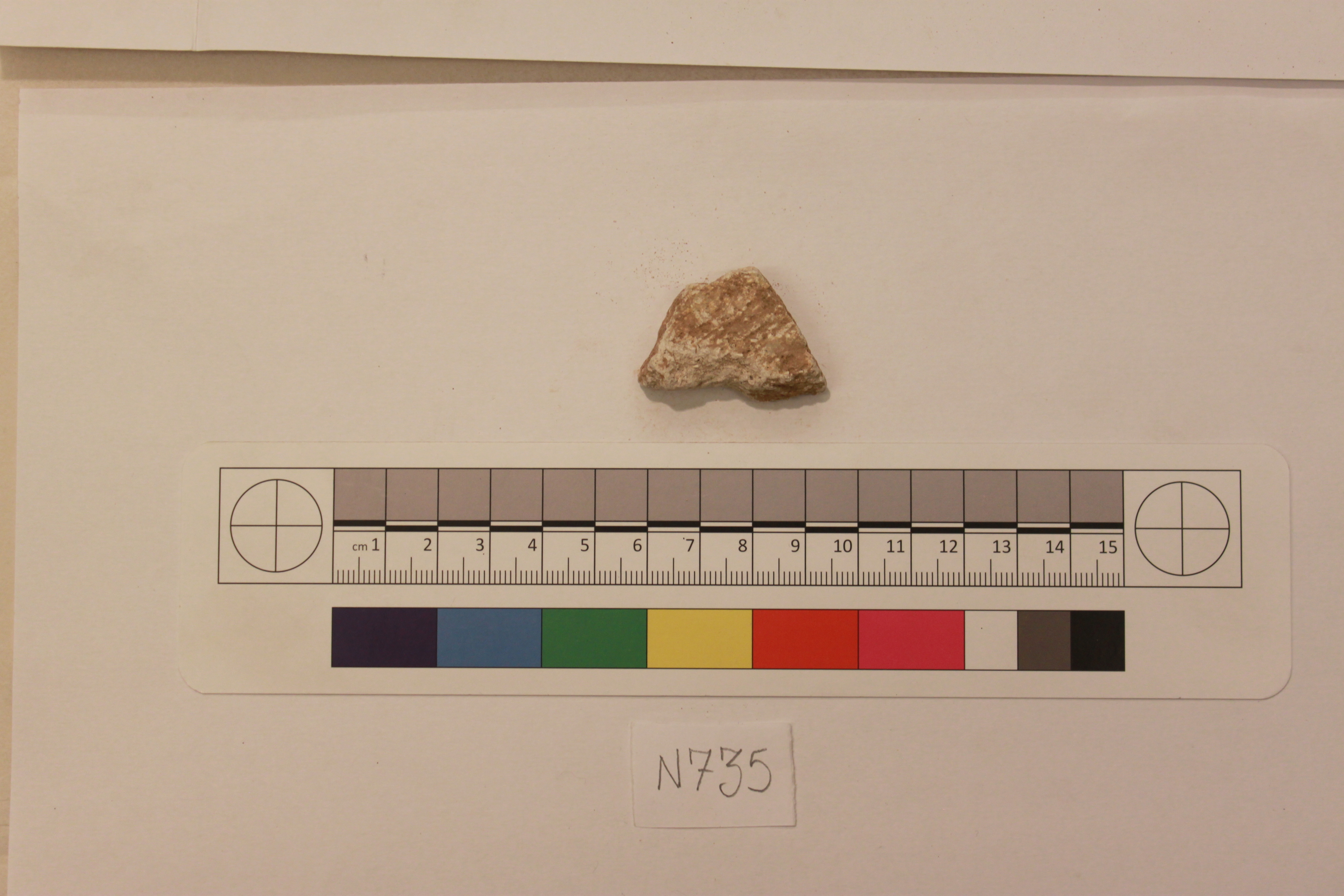
From Fractured Surface to Fluid Form: The Stucco Fragment as a Blueprint for 2026 Haute Couture Silhouettes
The discipline of aesthetic archaeology—the practice of extracting design intelligence from isolated material remnants—offers the contemporary atelier a profound lexicon for innovation. At Natalie Fashion Atelier, we approach each artifact not as a static historical object, but as a dynamic repository of structural logic, textural narrative, and spatial tension. The subject of this research artifact is a carved stucco fragment, a piece of global heritage whose classical elegance belies a complex, almost architectural, rigor. This analysis deconstructs the fragment’s formal language and translates its intrinsic properties into a series of technical directives for the 2026 luxury silhouette.
I. The Material Dialectic: Rigidity and Fluidity in Carved Stucco
Stucco, in its carved state, presents a paradoxical materiality. It is a substance of apparent solidity, yet its creation is a process of controlled malleability—a wet paste coaxed into permanence. The fragment under examination, likely a cornice or frieze remnant, exhibits a surface that oscillates between sharp, decisive undercuts and undulating, almost organic convexities. This dialectic between the hard edge and the soft swell is the primary aesthetic currency we extract for 2026.
For the couture silhouette, this translates into a deliberate manipulation of fabric memory. We move beyond mere draping into a practice of structural sculpting. The 2026 collection will feature garments where a tailored wool crepe bodice—cut with the precision of a chisel—abruptly transitions into a fluid, bias-cut panel of silk gazar that mimics the stucco’s smoothed, weathered plane. The seam is not a junction but a transitional relief, a deliberate shift in material density that echoes the fragment’s own history of hand-tooled marks. The silhouette thus becomes a study in controlled collapse, where the body is a support structure, and the fabric is the carved medium, holding its form with the same quiet authority as the historical original.
II. The Grammar of the Undercut: Negative Space as Design Architecture
Perhaps the most compelling directive from the carved stucco fragment is its use of the undercut. This technique, wherein the sculptor carves away material beneath a protruding form, creates a distinct shadow line—a negative space that defines the positive form. In classical architecture, this was used to articulate the play of light across a facade. In 2026 couture, we adopt this grammar to redefine the relationship between garment and body.
The silhouette will no longer be a simple envelope of fabric. Instead, we introduce architectural cut-outs and cantilevered panels that hover above the skin, creating a deliberate, engineered shadow. A prime example is a sculpted evening gown where a rigid, corseted waist is relieved by a series of horizontal, stucco-inspired incisions. These are not mere peek-a-boo slits; they are structural reliefs that allow the fabric to float a millimeter from the torso, casting a shadow that visually lightens the entire composition. This technique is executed with a high-tension underlay of horsehair canvas and micro-steel boning, ensuring the negative space is as precise as the positive form. The result is a silhouette that feels both monumental and ethereal, a direct homage to the fragment’s carved depth.
III. Surface Narrative: The Patina of Time as Textural Couture
The isolated fragment’s surface is not uniform. It bears the patina of centuries—micro-fissures, subtle discolorations, and a gentle erosion that softens the original tool marks. This is not damage; it is narrative texture. For the 2026 high-end collection, we reject the pristine, sterile finish in favor of a developed surface that speaks of process and time.
Our textile development team has engineered a series of patina-finish fabrics that replicate this effect. Using a combination of double-faced cashmere, where one side is brushed to a matte, almost powdery finish, and the other is left with a slight luster, we create a garment that changes character with movement and light. Furthermore, we employ a technique of surface ablation on structured silks, where a laser precisely removes the top layer of weave in a pattern derived from the fragment’s erosion lines. This creates a tactile topography—a garment that invites touch and contemplation, echoing the archaeological artifact’s quiet authority. The 2026 silhouette is not merely worn; it is experienced as a fragment of a larger, unseen narrative.
IV. Proportions of Antiquity: The Recalibration of the Torso
Classical stucco work, particularly in friezes, often exhibits a subtle, non-Euclidean geometry. Lines are not perfectly straight; curves are not perfect arcs. They are adjusted for optical correction, ensuring they appear perfect to the human eye from a distance. This principle of optical proportion is a cornerstone of our 2026 silhouette strategy.
We are moving away from the exaggerated, trend-driven proportions of recent seasons. Instead, we introduce a recalibrated torso that uses the fragment’s architectural ratios. The shoulder line is slightly extended, not padded, but cut with a curved seam that mimics the stucco’s convex profile. The waist is defined not by cinching but by a negative-space construction—a panel of sheer, rigid mesh that visually narrows the torso without compressive force. The hip is then released in a columnar flow, echoing the vertical fluting often found in carved stucco. This creates a silhouette that is elongated, serene, and deeply classical, yet entirely modern in its engineering. It is a proportion that speaks of permanence and grace, a direct counterpoint to the disposable nature of fast fashion.
V. The 2026 Silhouette: A Synthesis of Archaeology and Avant-Garde
The carved stucco fragment, in its isolated glory, offers more than aesthetic inspiration; it provides a technical and philosophical framework. For Natalie Fashion Atelier, the 2026 collection is a synthesis of archaeological rigor and avant-garde construction. The silhouettes will feature:
- Structural Relief: Garments that employ undercutting and negative space to create an architectural dialogue between fabric and form.
- Patina Textures: Fabrics developed with a narrative surface, embracing erosion and time as design elements.
- Optical Proportions: A recalibrated torso that prioritizes classical balance and visual harmony over transient trends.
- Material Dialectics: A deliberate juxtaposition of rigid, carved-like structures with fluid, malleable drapes within a single silhouette.
This is not a nostalgic revival. It is a strategic extraction of timeless principles—the mastery of material, the precision of negative space, and the beauty of imperfection—and their translation into a language of high-end luxury. The 2026 client is not seeking a dress; she is acquiring a piece of wearable architecture, a fragment of a new classical era, engineered with the soul of an ancient craft. The stucco fragment has spoken, and its language is the future of couture.