The Porcelain Dialectic: Deconstructing the Cup and Saucer as a Blueprint for 2026 Haute Couture
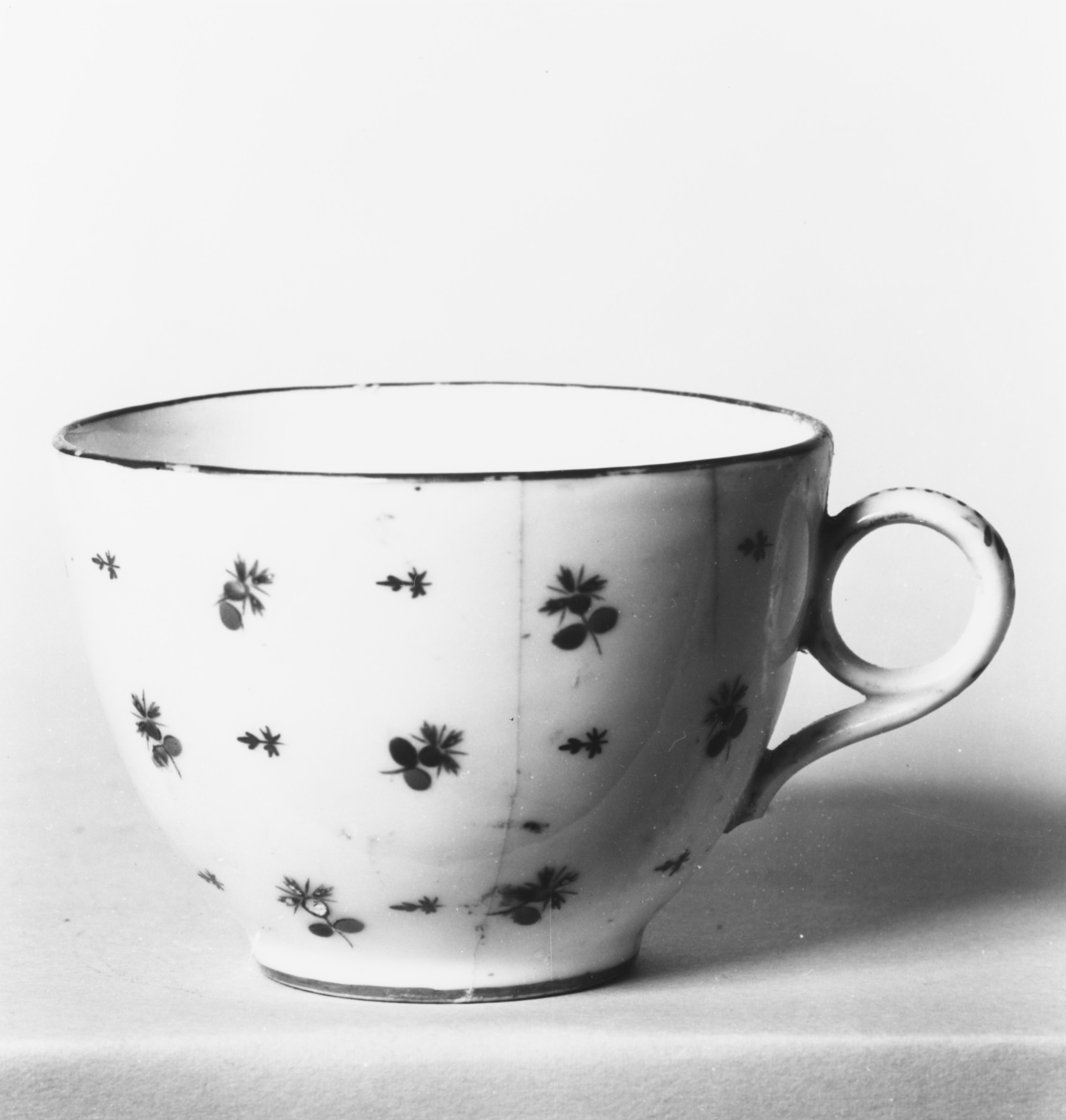
Within the silent archive of Natalie Fashion Atelier, the isolated artifact—a French porcelain cup and saucer—demands more than nostalgic reverence. It functions as a precise technical document, a cartography of restraint, and a masterclass in material tension. Stripped of its domestic context, the object reveals itself as a study in structural paradox: extreme fragility married to rigorous geometric support. For the 2026 haute couture silhouette, this porcelain dialectic offers a profound departure from the prevailing ethos of fluid draping and aggressive deconstruction. It proposes instead a new architecture of elegance, one predicated on controlled volume, lacquered luminosity, and the deliberate articulation of negative space.
I. Material Memory: The Porcelain Skin and Its Textile Equivalent
The technical genesis of porcelain lies in its vitrification—the fusion of kaolin, feldspar, and quartz at temperatures exceeding 1,300 degrees Celsius. This process yields a surface that is simultaneously translucent and impermeable, a paradox that the couture atelier must translate into fabric. The 2026 silhouette will therefore reject matte, absorbent textiles in favor of high-density silks, technical gazar, and bonded organza that possess a "dry hand" and a resonant, almost acoustic, surface quality. The goal is not merely to mimic the color of porcelain—the classic bleu de Sèvres or the stark blanc de Chine—but to replicate its optical density.
Consider the application of a double-faced silk satin, woven at a tension that allows the fabric to hold a crease as crisply as a scored porcelain edge. The garment becomes a shell, not a drape. The interior structure, much like the unglazed foot of the cup, remains deliberately unpolished—a raw, tactile contrast that speaks to the artisan's hand. This duality—the flawless exterior and the discreetly unfinished interior—becomes the signature of the 2026 collection, a nod to the dessous that haute couture has always privileged.
II. The Silhouette of the Cup: Rigid Exterior, Hollowed Core
The cup's profile is a study in convexity and concavity. Its exterior wall, when inverted, suggests a bell-shaped skirt with a pronounced A-line, yet its interior hollow introduces the concept of architectural emptiness. For the couture silhouette, this translates into a radical rethinking of the waist. Instead of cinching the body, the 2026 garment will create a negative-space corsetry—a rigid, porcelain-like cuirass that stands away from the torso by a precise two centimeters. This is not a cage; it is a shell. The gap between fabric and skin becomes a shadow line, a deliberate void that outlines the body without touching it.
This technique demands a new form of pattern engineering. The bodice, cut in a single piece of molded leather or resin-bonded silk, is heated and shaped over a three-dimensional form, much like a ceramicist throws a pot. The resulting silhouette is self-supporting, requiring no internal boning, and possesses a smooth, unbroken surface that reflects light with a singular, unmodulated intensity. The sleeves, if present, are set into the armhole at a slight forward angle, mimicking the curve of the cup's handle—a functional appendage that appears almost decorative in its precise placement.
III. The Saucer as Platform: Expanding the Horizontal Plane
If the cup is the vertical statement, the saucer is its horizontal anchor. The saucer's shallow, concave disc introduces the concept of the plinth silhouette. In 2026, this manifests as a sharp, asymmetrical hemline that extends beyond the body's natural width—a deliberate, architectural overhang. The skirt, constructed from a stiffened horsehair canvas and faced with a porcelain-glaze finish, flares abruptly at the hip, creating a 45-degree angle that then drops vertically to the floor. This is not a train; it is a platform, a deliberate assertion of terrestrial presence.
The technical challenge lies in the transition. The cup's foot ring—that tiny, unglazed circle that bears all the weight—finds its couture equivalent in a micro-engineered waistband of laminated leather and titanium mesh. This invisible infrastructure allows the voluminous saucer-skirt to attach to the rigid bodice without any visible seam or fastener. The eye perceives a single, continuous form, as if the garment were cast in a single mold. The movement is restricted, deliberate, and ceremonial—a direct rejection of the athletic, sportif ease that has dominated recent luxury markets.
IV. Decorative Restraint: The Gilt Edge and the Painted Motif
French porcelain, particularly from the great manufactories of Limoges and Sèvres, is distinguished by its gilded ornamentation and hand-painted floral cartouches. The 2026 application, however, is not a literal reproduction. Instead, the atelier employs a technique of metallic micro-embroidery—a thin, continuous line of gold thread that traces the garment's structural seams, echoing the cup's gilt rim. This line is not decorative; it is functional, reinforcing the fabric's edge while simultaneously drawing the eye along the silhouette's most critical vectors.
The floral motif is abstracted into a tactile relief. Using a process of silicone-based appliqué, the design team embeds small, raised petals of resin onto the fabric surface. These are not printed; they are dimensional, catching light and shadow exactly as a painted rose on a porcelain plate might. The color palette remains rigorously limited: cobalt, celadon, ivory, and a single accent of oxblood. This chromatic discipline ensures that the structural innovations remain the primary narrative, with ornamentation serving as a whispered footnote rather than a shouted proclamation.
V. The 2026 Synthesis: A Couture of Stillness
The cup and saucer, in their isolated archaeological purity, teach us that true luxury is not about excess but about precision of intention. The 2026 silhouette for Natalie Fashion Atelier is therefore a study in controlled immobility—a garment that does not flow, but stands. It demands a new posture from the wearer: a straight spine, a lowered shoulder, a deliberate gait. This is not a nostalgic revival of the 1950s New Look, but a contemporary interpretation of its underlying principle—that clothing can be an armature for the self, a rigid yet beautiful exoskeleton.
The technical innovations—the negative-space cuirass, the plinth skirt, the metallic seam reinforcement—are all in service of this singular vision. The porcelain artifact has been deconstructed not for its sentimental value, but for its structural logic. The result is a collection that feels both ancient and futuristic, a testament to the enduring relevance of material intelligence. In a market saturated with fluid athleisure, the 2026 couture silhouette offers a counterpoint: a return to the architectural, the deliberate, and the profoundly still. It is, in essence, a wearable still life—a porcelain moment frozen in time, elevated to the realm of high fashion.