The Towel End Reconsidered: An Aesthetic Archaeology for 2026
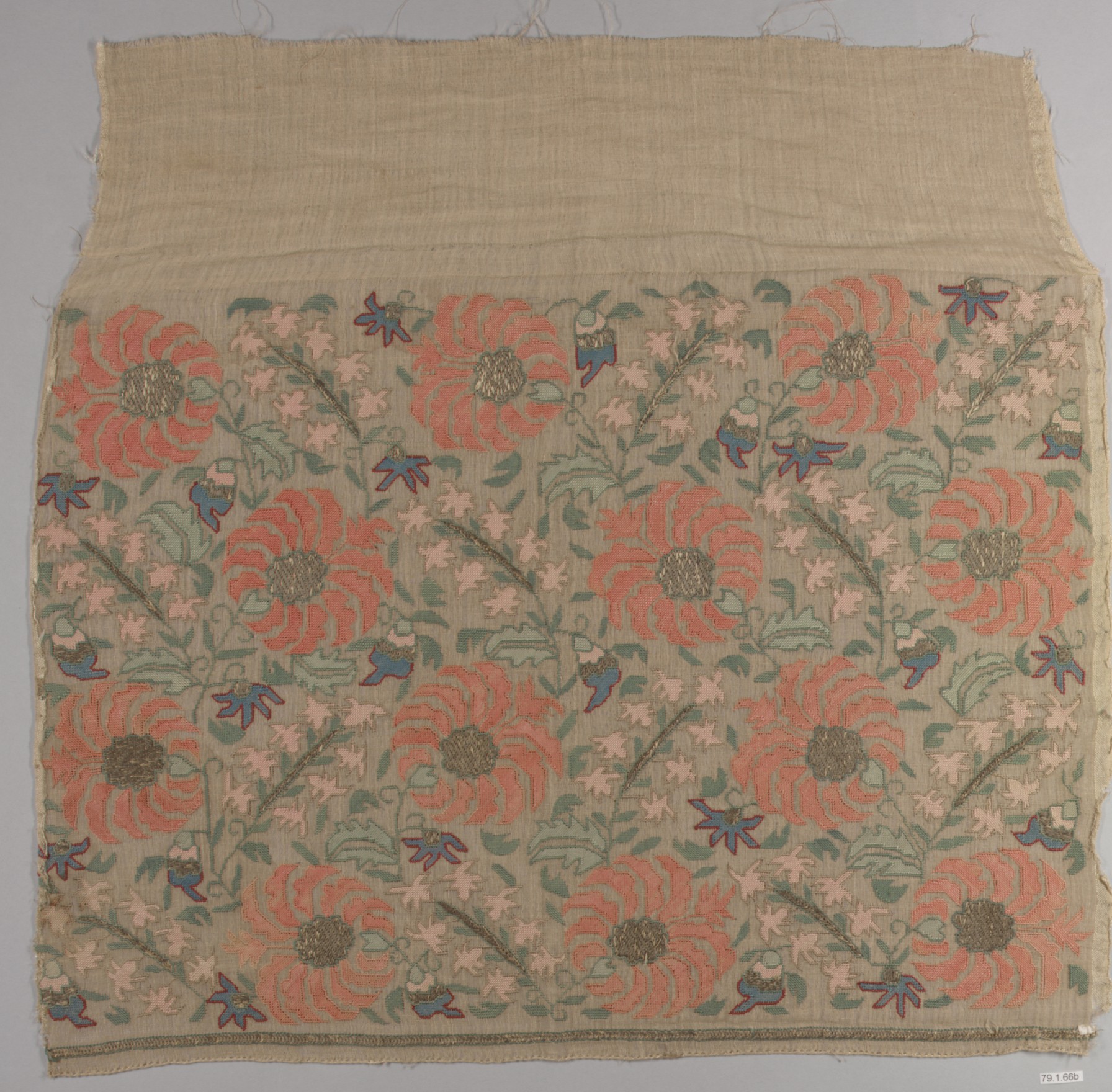
Within the vast repository of global textile heritage, the towel end—a seemingly utilitarian fragment—emerges as a profound locus of aesthetic intelligence. For Natalie Fashion Atelier, this artifact, rendered in linen, silk, and metal-wrapped thread through a disciplined plain weave augmented by intricate embroidery, is not a relic but a blueprint. This research artifact deconstructs the classical elegance of this humble object, isolating its structural, chromatic, and tactile principles to inform the architectural silhouettes of the 2026 haute couture season. The towel end, stripped of its domestic context, reveals itself as a masterclass in restrained opulence and engineered texture—principles that will define a new era of Parisian luxury.
I. Structural Grammar: The Plain Weave as Architectural Skeleton
The foundational plain weave of the towel end—a simple over-under interlacing—is frequently dismissed as primitive. Yet, in this artifact, it functions as a rigorous structural grammar. The tight, balanced weave of the linen ground provides a stable, planar surface that resists deformation, while the introduction of silk as a supplementary weft creates subtle variations in light reflection. This is not a haphazard construction; it is a deliberate dialogue between tensile strength (linen) and luminous flexibility (silk).
For 2026, this principle translates directly into the architectural corsetry and sculptural tailoring of our forthcoming collection. The plain weave informs a silhouette that is rigid yet fluid—imagine a columnar gown where the bodice is constructed from a double-faced linen-silk composite, its internal structure mimicking the weave’s integrity. The garment does not drape passively; it stands, holding its form with the quiet authority of a woven wall. This is a deliberate departure from the fluid, bias-cut draping that has dominated recent seasons. Instead, we propose a return to constructed volume, where the seam lines echo the warp and weft, creating a visual and physical lattice that defines the body’s movement without clinging to it.
II. Embroidered Cartography: Metal-Wrapped Thread as Line and Light
The embroidery on the towel end is not mere decoration; it is a cartographic exercise. The metal-wrapped thread—likely a silver or gold gilt over a silk core—is applied in dense, geometric patterns that often delineate the terminus of the cloth. This is a zone of ritual significance, where the functional object meets the symbolic. The metallic threads catch light with a sharp, almost brittle brilliance, contrasting with the matte absorbency of the linen and the soft sheen of the silk.
In the 2026 haute couture silhouette, this principle of selective luminosity is paramount. We will deploy metal-wrapped thread not as all-over embellishment, but as strategic lineation—a form of three-dimensional drawing on the body. Consider a tailored evening jacket where the lapels and cuffs are embroidered with a linear, almost calligraphic pattern of gunmetal thread. This creates a focal vector, guiding the eye along the structural seams and accentuating the wearer’s posture. The embroidery acts as a metallic exoskeleton, a fragile armor that suggests both protection and vulnerability. This is not the heavy, ornate embroidery of the 19th century; it is a minimalist, precision-driven intervention, where every metallic stitch is a deliberate act of architectural definition.
III. Tactile Dialectics: The Materiality of Contrast
The genius of the towel end lies in its tactile dialectics: the coarse, dry hand of the linen against the smooth, fluid silk; the cool, hard metal against the warm, yielding fiber. This is a study in sensory opposition, a conversation between the rustic and the refined. The linen provides a grounding, earthy base, while the silk elevates it to a plane of luxury. The metal thread, in turn, introduces a third register—one of permanence and value, but also of tension.
This material dialogue will be the core sensory experience of our 2026 collection. We will engineer fabrics that replicate this layered contrast at the textile level. For example, a primary fabric will be a linen-silk organza, woven with a slight irregularity to mimic the handcrafted feel of the original. This will be used for outer shells, while the underlayers will be composed of a fluid, matte silk crepe. The interplay between the two—the rustle of the organza against the silence of the crepe—creates an auditory and tactile signature of sophistication. The metal thread is then introduced as a structural element, not just for embroidery, but as a fine, flexible wire woven into the fabric’s edges to provide a memory—allowing collars and cuffs to hold a precise, sculptural fold without internal wiring. This is materiality as engineering, where the historical contrast of the towel end is translated into a modern, functional luxury.
IV. Chromatic Restraint and the Power of the Unfinished
The color palette of the historical towel end is typically one of severe restraint: the natural ecru of the linen, the off-white of the silk, and the burnished gold or silver of the metal. This is not an absence of color, but a concentration of tonal value. The aesthetic power comes from the subtle shifts between near-identical hues, and the sharp punctuation of the metallic thread. This is a lesson in chromatic discipline that will define our 2026 color story.
We will move away from saturated, seasonal colors and towards a monochromatic spectrum of neutrals—ivory, bone, oat, and greige—interrupted only by the metallic accents of antique gold and darkened silver. This is not minimalism for its own sake, but a strategy of focus. By stripping away color, the eye is forced to appreciate the architecture of the silhouette and the complexity of the texture. Furthermore, we will embrace the concept of the unfinished edge, a nod to the towel end’s status as a fragment. Raw, fringed hems will be meticulously engineered to prevent fraying, yet they will visually suggest a moment of interruption—a deliberate pause in the garment’s narrative. This creates a modern, intellectual elegance, where the garment is presented not as a closed statement, but as an open question, inviting the wearer to complete its story.
V. Silhouette Synthesis: From Fragment to Form
The synthesis of these principles yields a distinct 2026 couture silhouette: the “Fragment Column.” This silhouette is characterized by a narrow, elongated line that is subtly articulated by structural seams and metallic embroidery. It is not a body-con dress; rather, it is a geometric shell that hovers over the body, creating a space between fabric and skin. The shoulders are defined with a sharp, almost architectural pad, reminiscent of the towel end’s terminal edge. The waist is not cinched, but implied through a panel of sheer silk and metallic thread, creating an optical illusion of form.
This is a silhouette of quiet power, one that speaks to a client who values intellectual rigor over fleeting trends. The garment is a portable artifact, a piece of wearable archaeology that connects the wearer to a lineage of global craftsmanship. The towel end, once a discarded domestic object, becomes the generative seed for a collection that redefines luxury as a function of material intelligence, structural clarity, and historical consciousness. In 2026, Natalie Fashion Atelier will not simply dress the body; we will frame it within a narrative of woven time, where every thread is a testament to the enduring power of classical elegance.