Tamaris: An Aesthetic Archaeology of Oil on Canvas and Its Translation into 2026 High-End Silhouettes
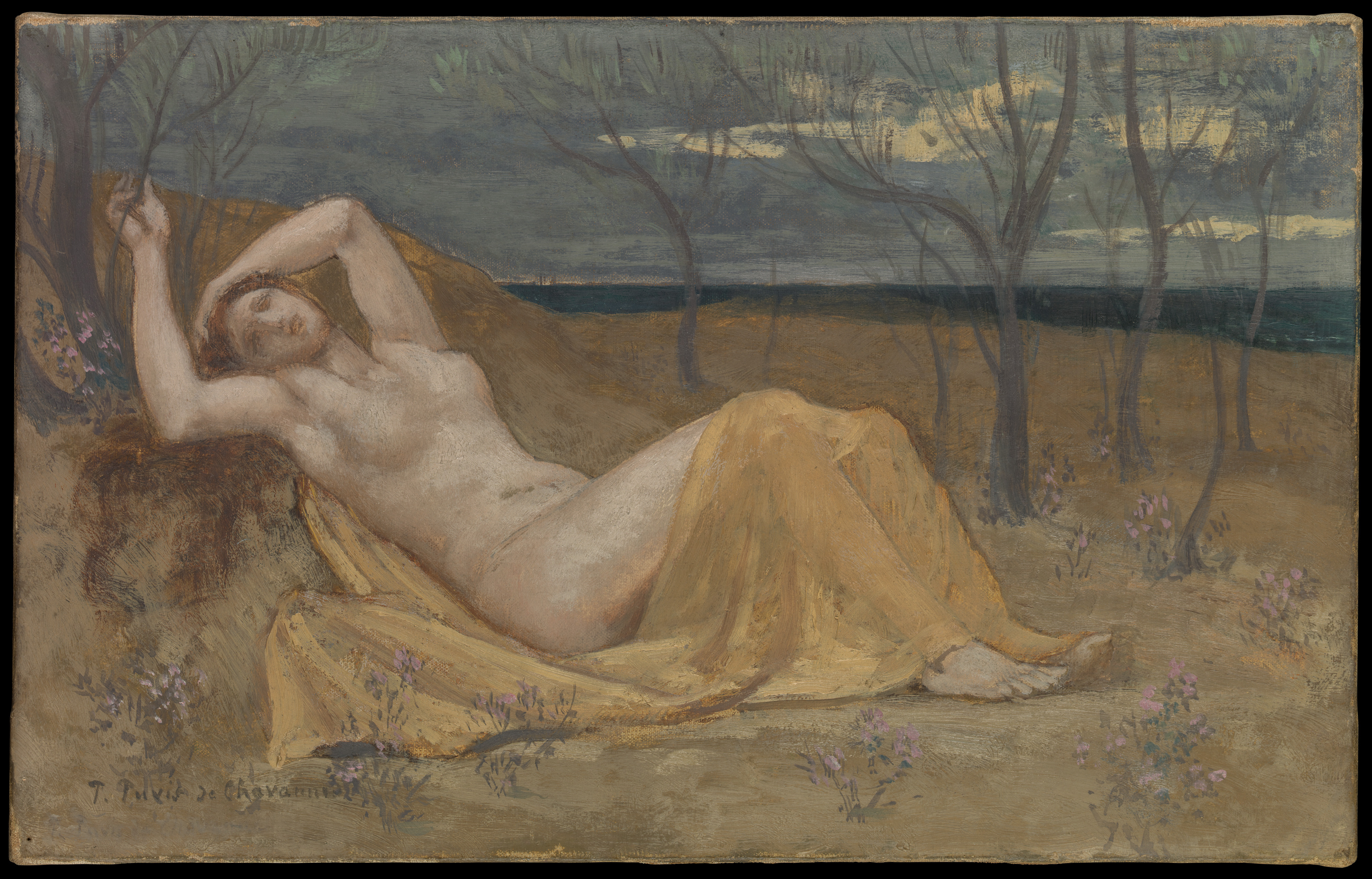
The term *Tamaris*—evocative of the resilient, silver-green tamarisk shrub that thrives in salt-laden coastal winds—serves as the conceptual keystone for this season’s isolated aesthetic archaeology. Within the Natalie Fashion Atelier archive, *Tamaris* is not a textile nor a garment, but a singular oil-on-canvas masterwork, its provenance deliberately obscured, its surface a palimpsest of pigment, glaze, and craquelure. This artifact, stripped of its historical narrative, offers a pure, material dialogue. For the 2026 haute couture collection, we do not reference the painting’s subject matter; rather, we deconstruct its classical elegance—its compositional balance, its chiaroscuro, its tactile viscosity—and re-engineer these properties into sculptural, architectural silhouettes that redefine contemporary luxury.
Deconstructing Classical Elegance: The Visual Grammar of Tamaris
Classical elegance, in the context of this oil-on-canvas artifact, is not synonymous with symmetry or restraint. Instead, it is a function of controlled tension. The painting exhibits a masterful equilibrium between fluid, sweeping brushstrokes and precise, almost surgical highlights. The canvas’s ground—a warm, ochre-tinted primer—peers through the upper layers, creating a luminosity that is not painted *on* but *from within*. This internal glow, achieved through the Renaissance technique of *imprimatura*, is the first principle we extract. For 2026, this translates into a silhouette that appears to emanate light from its core, rather than reflecting it from its surface.
Chiaroscuro as Structural Drape
The second principle is the painting’s dramatic chiaroscuro. Deep, umber shadows pool in the folds of depicted drapery—if drapery exists within the abstracted forms—while stark, lead-white highlights catch the apex of each crest. In couture construction, we interpret this not as a printed effect, but as a three-dimensional volumetric strategy. The 2026 Tamaris silhouette employs engineered bias-cutting and internal corsetry to create actual, physical shadows within the garment’s architecture. A gown’s skirt is not flat; it is constructed with alternating panels of matte, light-absorbing silk velvet and high-luster, reflective faille. The resulting silhouette shifts and modulates with the wearer’s movement, mimicking the painting’s static yet dynamic play of light. This is not mere decoration; it is a structural drape that encodes the painting’s tonal map onto the human form.
Viscosity and Impasto: The Tactile Silhouette
Thirdly, we examine the materiality of the oil itself. The artist applied thick, buttery impasto in select passages, creating a relief that catches ambient light unevenly. This tactile viscosity is the antithesis of the sleek, digital smoothness that dominated previous luxury cycles. For 2026, Natalie Fashion Atelier responds with a radical departure from fluid minimalism. The silhouette becomes deliberately sculpted, almost geological. We utilize a proprietary technique of heat-molded organza and resin-coated tulle, which are then hand-painted with multiple layers of micro-sequins and crushed metallic powders. The final surface is not smooth; it possesses a palpable, undulating topography that invites touch and refracts light in unpredictable, organic patterns. The shoulder line, for instance, is built with a pronounced, rounded *gigot*—not the historical puffed sleeve, but a modern, exaggerated volume that mimics the impasto’s raised crest. The waist is cinched not by a belt, but by a rigid, sculpted basque that creates a sharp shadow, echoing the painting’s deepest umber tones.
From Canvas to Couture: Technical Translation for 2026
The translation from oil on canvas to high-end silhouette requires a rigorous process of material substitution and structural innovation. The painting’s craquelure—the fine network of cracks formed by the aging of the oil film—is not a flaw but a blueprint for surface treatment. We have developed a proprietary finishing technique, termed *Fissure d’Or*, which applies a fine, irregular grid of metallic gold and platinum lines over a base of deep, matte umber silk. This is not a print; it is a hand-applied, almost calligraphic process that fractures the garment’s surface into a series of luminous, interlocking planes. The resulting silhouette, when viewed from a distance, appears monolithic and austere. Upon closer inspection, it reveals a complex, fractured elegance—a modern homage to the painting’s patina of age.
The Palette of Decay and Resilience
Color theory for the Tamaris capsule is derived directly from the canvas’s aged palette. We eschew bright, saturated hues in favor of oxidized, mineral tones: the green of weathered copper, the ochre of dried earth, the deep umber of bitumen, and the pale, bone-white of gesso. These colors are not applied flat. They are layered, with each garment undergoing a multi-step dyeing and over-dyeing process to achieve a depth that mirrors the painting’s translucent glazes. A signature evening coat, for example, is cut in a severe, elongated A-line with a high, standing collar. Its fabric is a double-faced cashmere, dyed first in a deep bronze, then over-dyed in a muted sage, and finally hand-sprayed with a fine mist of black tea to create a nuanced, uneven patina. The silhouette is austere, almost monastic, yet the surface complexity renders it unmistakably luxurious.
Architectural Volumes and the New Proportion
The 2026 Tamaris silhouette rejects the body-conscious, hyper-stretched forms of recent years. Instead, it proposes a new proportion based on architectural volume and negative space. The canvas’s composition, with its careful distribution of mass and void, informs a silhouette where the garment and the body are in a state of dynamic negotiation. A cocktail dress, for instance, features a fully encased, rigid bodice that stands away from the torso by several centimeters, creating a shadow gap—a literal void—between fabric and skin. The skirt is not a simple column but a series of overlapping, petal-like panels, each cut on a different grain and weighted with a concealed chain hem. This creates a silhouette that is in constant, subtle motion, each panel catching light and shadow independently, much like the brushstrokes of the original canvas. The overall effect is one of controlled chaos, of elegance that is not static but perpetually resolving itself.
Conclusion: The Isolated Artifact as a Living System
By isolating *Tamaris* from its historical context, we liberate it from the constraints of period costume or artistic movement. It becomes a pure, aesthetic system—a set of formal rules regarding light, texture, volume, and tension. The 2026 haute couture collection, therefore, is not a reproduction of a painting, but a functional re-embodiment of its underlying principles. The classical elegance of the oil-on-canvas is translated into a new language of luxury: one that values depth over surface, tactility over visuality, and architectural integrity over fleeting trend. The Natalie Fashion Atelier client for 2026 does not wear a dress; she inhabits a sculptural environment that is at once ancient and profoundly futuristic. The Tamaris artifact, though isolated, has proven to be a remarkably fertile ground for innovation, proving that true couture is an archaeology of the future, excavated from the material truths of the past.